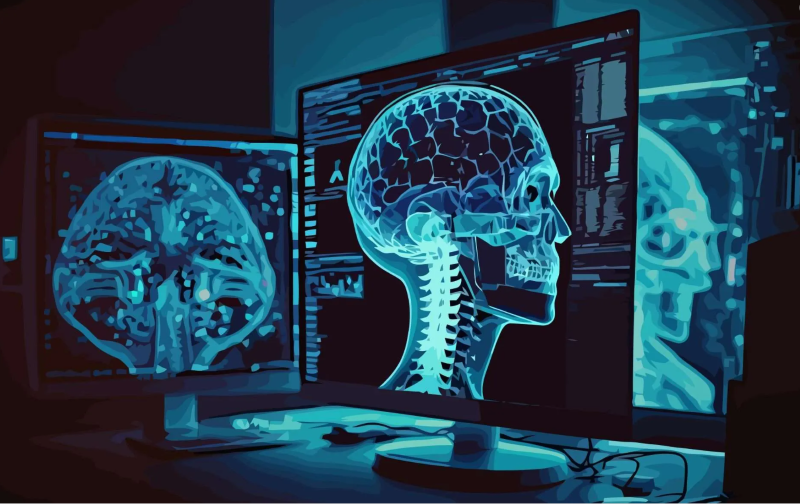
Artificial intelligence is fundamentally transforming the field of radiology, ushering in an era of unprecedented diagnostic precision and efficiency. As medical imaging technology continues to advance, AI-powered tools are becoming indispensable partners for radiologists, enhancing their ability to detect, diagnose, and treat a wide range of medical conditions.
Understanding AI in Medical Imaging
At its core, artificial intelligence in radiology involves the use of sophisticated algorithms and machine learning models to analyze medical images. These systems are trained on vast datasets of imaging studies, learning to recognize patterns and anomalies that may indicate various pathologies. Unlike traditional computer-aided detection systems, modern AI tools can process complex information with remarkable speed and accuracy, often identifying subtle findings that might escape human observation.
The technology works by employing deep learning neural networks that mimic the way human brains process visual information. These networks analyze thousands of image features simultaneously, considering factors such as tissue density, shape irregularities, and contrast patterns. Through extensive training on annotated medical images, AI systems develop the ability to distinguish between normal anatomical variations and pathological changes.
Current Applications in Clinical Practice
Today's AI applications in radiology span numerous specialties and imaging modalities. In chest imaging, AI algorithms excel at detecting early-stage lung nodules and pneumonia patterns, often with sensitivity rates exceeding 95 percent. These tools help radiologists prioritize urgent cases and reduce the likelihood of missed findings in high-volume reading environments.
Breast imaging has seen particularly impressive advances through AI integration. Computer-aided detection systems now assist in mammography screening programs, helping identify suspicious masses and microcalcifications while reducing false-positive rates. This technology is especially valuable in areas with limited access to specialized breast imaging radiologists, democratizing access to high-quality screening services.
In neuroimaging, AI applications are revolutionizing stroke care by rapidly quantifying brain tissue at risk and measuring blood vessel occlusions. These systems can process CT and MRI scans in minutes, providing crucial information that guides time-sensitive treatment decisions. Similarly, AI tools are being deployed to detect intracranial hemorrhages, brain tumors, and early signs of neurodegenerative diseases.
Enhancing Workflow Efficiency
Beyond diagnostic accuracy, AI is dramatically improving workflow efficiency in radiology departments. Intelligent triage systems automatically prioritize urgent findings, ensuring that critical cases receive immediate attention. This capability is particularly valuable in emergency departments, where timely diagnosis can be life-saving.
AI-powered image reconstruction techniques are reducing scan times and radiation exposure while maintaining or even improving image quality. These advances allow facilities to serve more patients safely while reducing wait times and operational costs. Automated measurement tools streamline the quantification of tumors, organ volumes, and other clinically relevant parameters, saving radiologists significant time on routine tasks.
Challenges and Considerations
Despite the tremendous potential of AI in radiology, several challenges must be addressed for optimal implementation. Data quality and diversity remain critical concerns, as AI systems trained on limited or biased datasets may not perform well across different patient populations or imaging equipment. Ensuring that training data represents diverse demographics and clinical scenarios is essential for developing robust, generalizable AI tools.
Regulatory frameworks are evolving to keep pace with rapid technological advancement. Medical facilities must navigate complex approval processes and ensure that AI systems meet rigorous safety and efficacy standards. Additionally, questions about liability and accountability in AI-assisted diagnosis require careful consideration and clear policies.
The integration of AI into existing clinical workflows presents practical challenges. Radiologists and technologists need appropriate training to effectively use these tools, understanding both their capabilities and limitations. Healthcare organizations must invest in infrastructure to support AI deployment, including robust computing resources and data management systems.
The Future of AI-Assisted Radiology
Looking ahead, the role of AI in radiology will continue to expand and evolve. Researchers are developing multimodal AI systems that integrate imaging data with electronic health records, laboratory results, and genomic information to provide comprehensive diagnostic insights. These holistic approaches promise to enhance personalized medicine and improve patient outcomes.
Predictive analytics powered by AI will enable earlier disease detection and more accurate prognosis estimation. By analyzing patterns across large patient populations, these systems can identify individuals at high risk for specific conditions, facilitating preventive interventions. Real-time AI guidance during interventional procedures is another exciting frontier, potentially improving procedural success rates and patient safety.
Conclusion
Artificial intelligence is not replacing radiologists but rather augmenting their capabilities and transforming how they practice medicine. As these technologies mature, the partnership between human expertise and machine intelligence will become increasingly sophisticated, leading to more accurate diagnoses, improved patient outcomes, and more efficient healthcare delivery. For medical professionals working in diagnostic imaging, understanding and embracing AI technology is becoming essential to providing the highest standard of patient care in the modern healthcare landscape.